

If you run a restaurant, you know the scene: on Friday and Saturday you can’t keep up, and on Tuesday at eight in the evening there are three tables occupied. The problem is that rent, payroll and utilities cost the same all seven days.
The good news is that slow days are almost never a food problem. They’re a problem of reasons: people have no motive to go out to eat on a Tuesday, and your restaurant isn’t giving them one. Here are ten ways to give it to them.
1. Give every slow day a name
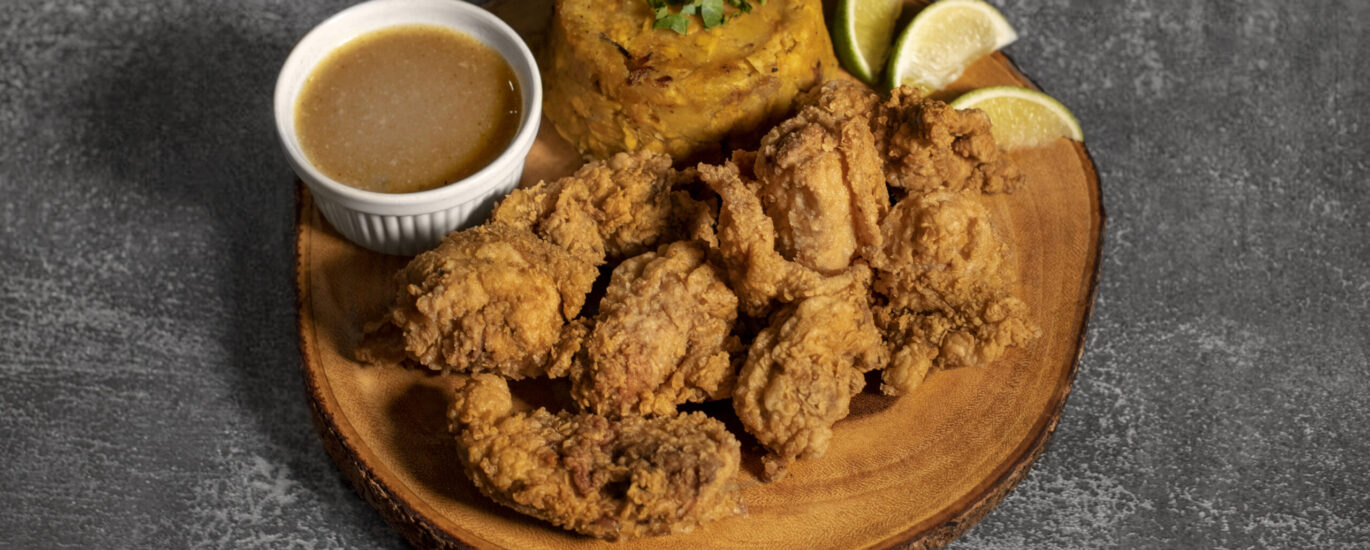
"10% off Monday through Thursday" is forgettable. "Mofongo Tuesday" isn’t. When a day has a name, a star dish and a clear offer, it becomes a plan people can repeat every week and recommend.
Pick just one day to start, your slowest, and work it for at least six weeks before judging it. A new concept takes time to catch on.
2. Create a dish or combo that only exists that day
Scarcity works. A dish that’s only available on Wednesdays gives people a concrete reason to come that day and not another. If it’s also a high-margin dish, you win twice.
3. Target the people already nearby: lunches and offices
On weekdays, your best potential guest works or lives a few minutes away. A quick, well-priced lunch special fills tables at noon and introduces you to people who later come back at night or on the weekend.
4. Use local ads, not ads "for everyone"
A Facebook and Instagram ad targeted at people within a few miles of your place, showing the dish of the day and the offer, performs far better than "boosting the page". The key comes down to three things:
- A small radius around your restaurant.
- A specific offer with a date: "this Tuesday", "Wednesdays only".
- A way to measure it, for example a code the guest shows when paying.
5. Measure at the register, not in likes
A post with lots of likes doesn’t mean full tables. If every promotion has its own code ("TUESDAY10″, for example) and your staff enters it in the POS, at the end of the month you know exactly what brought in guests and what didn’t. Without that measurement, you’re guessing.
6. Message the people who already came
Your best guests for a Tuesday are the ones who already know you. If you save their contacts, with permission, in an SMS or WhatsApp list, you can tell them on Monday what’s happening on Tuesday. It’s the cheapest channel there is and the most underused.
The easiest way to start the list: offer something in exchange for the number. A dessert or a drink on their next visit is usually enough.
7. Turn birthdays into group reservations
Someone has a birthday every day, Tuesdays included. A clear birthday package, with perks based on group size, turns a celebration into a table of eight or ten on a day you’d normally have few guests.
8. Use delivery on slow days
If your dining room is quiet, your kitchen has capacity. Review your Uber Eats and DoorDash menus: photos, descriptions, combos and prices. Very often the delivery menu is a poor copy of the in-house menu, and it’s losing sales you could make without adding a single table.
9. Organize something other than eating
Trivia night, karaoke, the big game on a large screen, low-key live music, dominoes night. Food is still the business, but the activity is the excuse to leave the house on a weeknight.
10. Check your numbers before giving away discounts
A discount that fills the place but loses you money on every dish isn’t a strategy: it’s a bigger problem. Before launching any promotion, calculate the real cost of the dishes you’re going to push and how much each one makes you. Sometimes the best offer isn’t a discount, but a combo with a high-margin dish.
Where to start
Don’t do all ten at once. Pick your slowest day, give it a name and a star dish, promote it with a local ad and a trackable code, and message your list. In six weeks you’ll have real data to decide what to repeat.
If you want to think it through with us, at Xinoria we work with Latino restaurants in the United States on exactly this. Message us on WhatsApp and we’ll tell you what we’d do first for your restaurant. You can also see how we work in restaurant marketing.
